Dendrocnide moroides, also known as the stinging brush, mulberry-leaved stinger, gympie gympie, gympie, gympie stinger, stinger, the suicide plant, or moonlighter, is a plant common to rainforest areas in the north east of Australia. It is best known for stinging hairs that cover the whole plant and deliver a potent neurotoxin when touched. It is the most toxic of the Australian species of stinging trees. The fruit is edible to humans if the stinging hairs that cover it are removed.
D. moroides usually grows as a single-stemmed plant reaching 1–3 m (3–10 ft) in height. It has large, heart-shaped leaves about 12–22 cm (5–9 in) long and 11–18 cm (4–7 in) wide, with finely toothed margins.
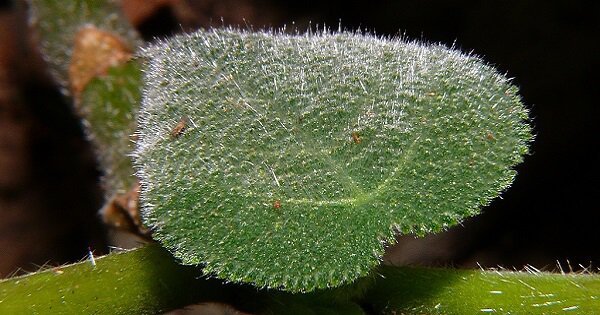
It has a sting so agonising that it’s said to have made a man kill himself after being stung. The treatment for a dendrocnide moroides sting involves removal of the plant’s stinging hairs with a wax strip and treating the affected skin with diluted hydrochloric acid.
Contact with the leaves or twigs causes the hollow, silica-tipped hairs to penetrate the skin. The hairs cause an extremely painful stinging sensation that could last from several hours to 1–2 days, recurring to a lessening degree for several months or more whenever the area is touched, exposed to water, or subjected to temperature change. The injured area becomes covered with small, red spots joining together to form a red, swollen welt. The hairs are also believed to be released to the air when the plant is cut or cleared in large areas. Workers without respiratory protection have reported sneezing, runny noses, mild nasal bleeding and throat irritation while cutting or clearing.
 VishnuPriya's blog